
Storage Facilities & Tank Infrastructure
Dedicated petroleum storage, bulk liquid hydrocarbon custody, and specialized marine terminal interface handling based in Dordrecht, Netherlands.
Dedicated Containment & Custody Management
Guadeloupe Shipping C.V. coordinates petroleum storage solutions built around rigorous containment discipline, deliberate product isolation, and systematic custody transfer procedures.
Our operational approach focuses on dependable bulk containment tailored to the commercial and logistical timelines of cargo owners, traders, and distribution partners. Every transfer and tank allocation is planned with precision, ensuring that receipt, holding, and dispatch activities proceed smoothly across all stages.
Through attentive coordination and standard-driven operating routines, our teams manage product custody with careful documentation, verified valve lineups, and regular status checks. Please enquire with our commercial desk regarding current availability and technical requirements for specific product grades.
Product Segregation & Containment
Physical and operational barriers structured to safeguard product integrity across storage batches and distinct hydrocarbon grades.
Systematic Transfer & Handling
Controlled transfer protocols designed for deliberate alignment, line venting, and coordinated manifold handling throughout operations.
Continuous Inventory Verification
Regular stock monitoring and operational verification procedures to maintain clear custody tracking and accountable storage balances.
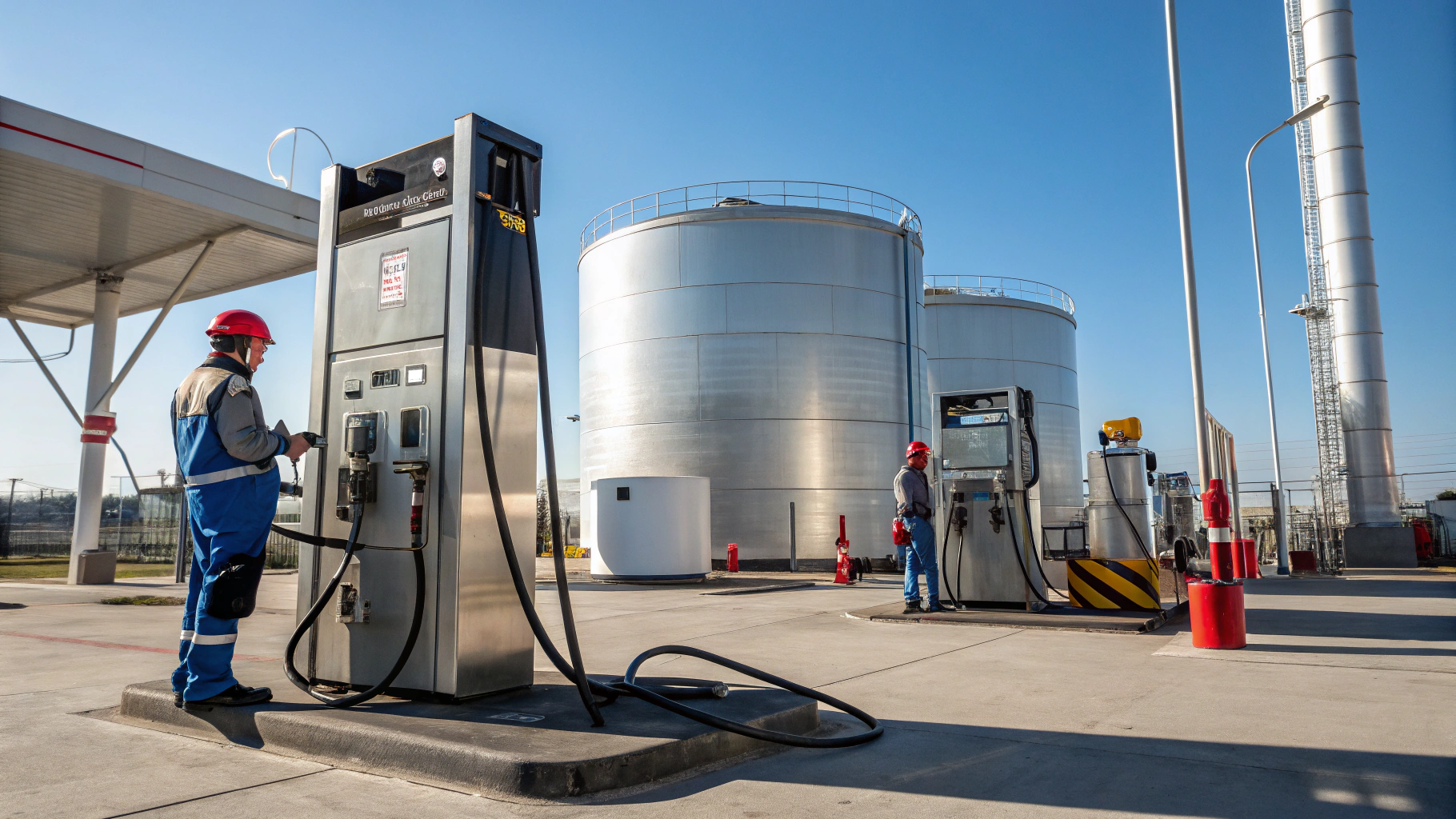
Terminal Infrastructure & Transfer Systems
A look at the physical components and engineering systems supporting bulk hydrocarbon storage, marine transfer, and inventory oversight.
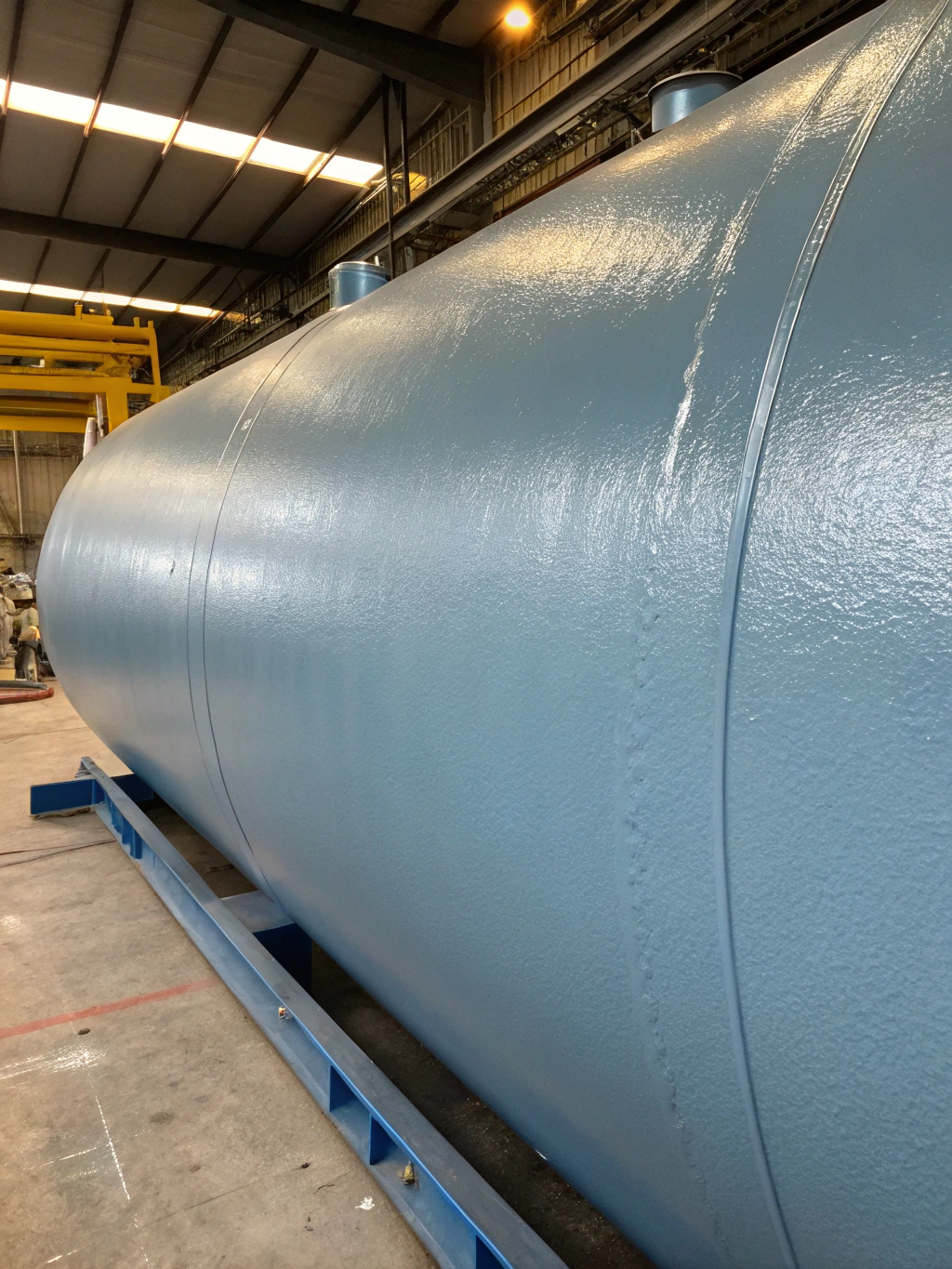
Tank Storage
Vertical cylindrical storage tanks designed for bulk liquid hydrocarbon custody, configured for controlled product containment and vapor balancing.
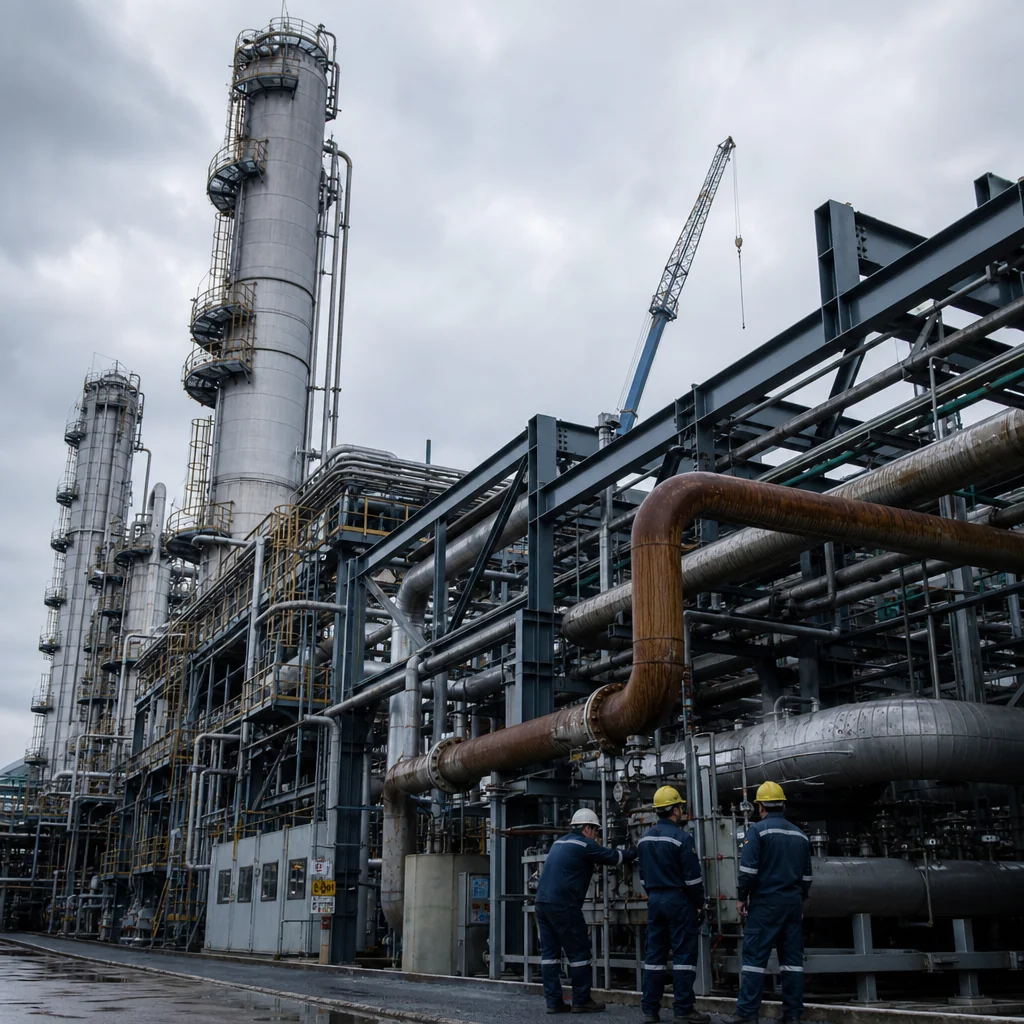
Jetty & Pipeline Connections
Marine berthing interfaces and dedicated transport pipelines linking waterborne vessels directly with storage manifolds for smooth cargo transfer.
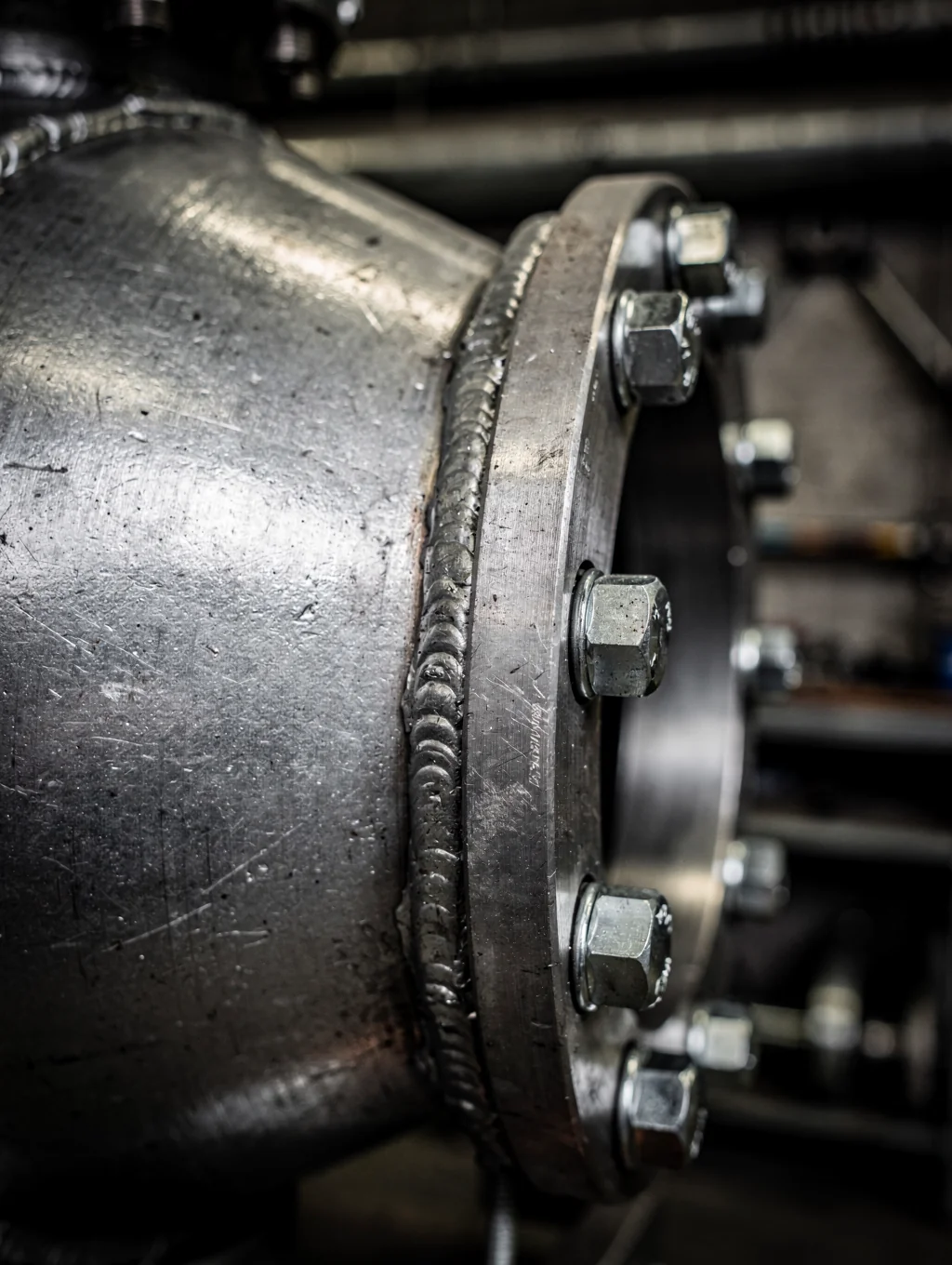
Manifold & Transfer Equipment
Heavy manifold assemblies, isolation valves, and calibrated transfer systems enabling controlled routing and line clearance between operational circuits.

Monitoring & Gauging
Integrated instrumentation and level transmitters structured to deliver continuous operational visibility, temperature tracking, and safety verification.
Terminal Monitoring Dashboard
Operational telemetry simulation demonstrating tank level gauging, capacity tracking, and status monitoring across containment assets.
Figures below are illustrative examples of how a tank monitoring view looks; they are not live readings or real capacities of our facilities.
Sample Metrics Aggregation
Sample Tank Ledger & Status Table
Tabular overview displaying sample parameters for tank capacity, volume, and operational states.
| Tank ID | Sample Capacity | Utilisation Gauge | Utilisation % | Operational Status |
|---|---|---|---|---|
| T-01Sample | 20,000 m³ | 72% | Operational | |
| T-02Sample | 15,000 m³ | 48% | Loading | |
| T-03Sample | 25,000 m³ | 85% | Operational | |
| T-04Sample | 12,000 m³ | 0% | Maintenance | |
| T-05Sample | 18,000 m³ | 64% | Operational |
What a Terminal Monitoring View Covers
In modern liquid hydrocarbon storage, terminal monitoring interfaces provide visibility into physical tank conditions, circuit states, and planned maintenance cycles.
Liquid Level & Ullage Telemetry
Typically continuous radar or servo transmitter readings
A standard monitoring view typically tracks liquid surface elevations, remaining ullage headspace, and filling rates to support safe batch containment and prevent high-level alarms during line operations.
Product Temperature Profiles
Typically multi-element averaging temperature sensors
Hydrocarbon monitoring interfaces typically present cross-strata thermal data and ambient references, enabling accurate volumetric calculations and density corrections required for commercial custody verification.
Operational Status & Circuit Alignment
Typically valve position and line circuit indicators
Supervisory views typically reflect live line alignments, active pump states, and valve positioning between jetties, transfer manifolds, and target storage tanks to ensure routing clarity before transfers commence.
Scheduled Maintenance & Inspection Checks
Typically interval tracking and maintenance schedules
Asset dashboards typically record scheduled mechanical turnarounds, statutory pressure checks, seal condition updates, and maintenance cycles to maintain continuous operational readiness.
Plan Storage Capacity & Terminal Allocation
Contact our commercial and operations team to discuss tank availability, product specifications, and coordinated marine transfer schedules.